
Desmoplastic
Small Round Cell
Tumor Charity
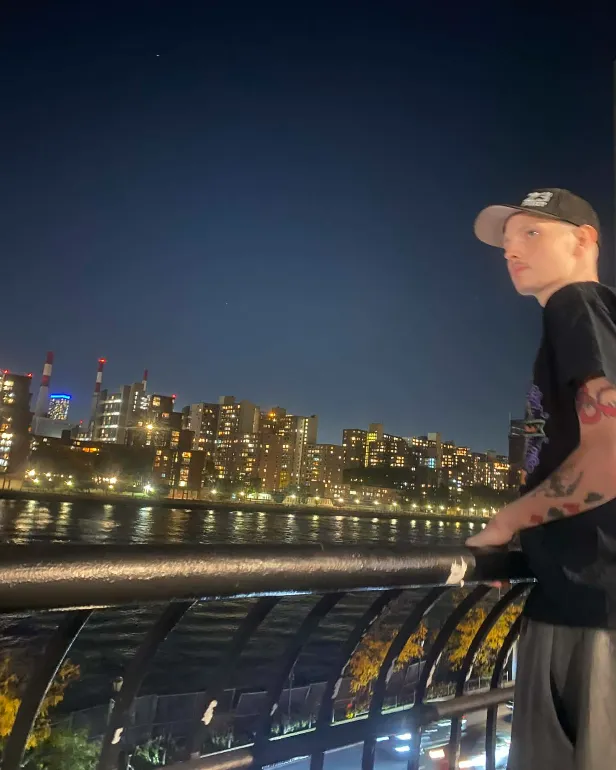

Hunter was 21 and was working as full time dispatcher, deputy coroner and firefighter when he was diagnosed with Desmoplastic Small Round Cell Tumour. Prior to diagnosis, he spent the little free time he had, hanging out with friends and family, going out on adventures or throwing a get together. He lived an active and proactive lifestyle, with no concept of what would soon come his way.
His first symptoms were abdominal pain and vomiting. It was so severe that he asked his mom to take him to the Emergency Room; something he had previously tried to avoid. At the hospital they carried out imaging scans to determine what was going on. The scans came back showing a large mass taking up space in his abdomen and pelvis. It was a time of huge uncertainty and he and his family were unsure where to go. They couldn’t remove it at the local hospital, who recommended they sought treatment at a more specialized facility. They had received the most frightening of news but were left to figure out the next steps alone.
Hunter and his family had to travel over 2 hours from home to attend doctors’ appointments and seek tests to secure a diagnosis. It wasn’t until after his port was fitted that they found out what they were dealing with. Treatment started two weeks after the mass was first found, but because DSRCT is so rare it took longer for the biopsy to come back. Doctors had tested for multiple conditions before finding the right result.
Once Hunter had the diagnosis he realised quickly that the cancer needed to be hit hard and fast. It was at this point that Hunter’s medical team advised him to go to New York City and be treated by MSKCC (Memorial Sloan Kettering Cancer Centre). Instead of travelling two hours from home he was travelling half way across the country. The rarity of DSRCT meant he was determined to seek advice from experts in it, a choice he’s glad he made. Whilst challenging to be so far from home, stays at the Ronald McDonald house made it easier.
He started cycles of treatment with the VDC/IE protocol and stayed with that course of treatment until his first surgery. Scans around that time showed that chemo hadn’t achieved a favourable response on the tumours, therefore as the cancer was still operable Hunter’s medical team decided to operate. Once healed he switched between a few other treatment plans, ultimately ending up on irinotecan and temodar as his final treatment and maintenance protocol. Hunter was also part of a trial at MSK which included one last surgery, a radioimmunotherapy flush of his abdomen and 30 days of traditional WART (whole abdominal radiation therapy).
Life during treatment was hard, there were a lot of bad days. Hunter would frequently tell his parents that he was sick and tired of being sick and tired. It takes a strong type of person to go through what patients go through, and the hardships that come with it, but Hunter learned to make the most out of the little things he had control over at the time, like time with friends and family. It was not only the fog of “chemo brain” that made life so challenging but dealing with the complex emotions that raced through his head 24/7. Whilst it wasn’t always easy to do so, these were thoughts Hunter tried to block from his brain, instead focusing on planning the life he wanted to live if he managed to beat the disease.
Now 23 Hunter is in remission and explained that the biggest change he has made is that he now spends more time with family and friends, cherishing every moment he has with them. Back living almost the same life he was before diagnosis, it still doesn’t feel real. A weight has lifted off his shoulders and he is grateful for the steps he took emotionally during treatment to help prepare him mentally for what the future brings.